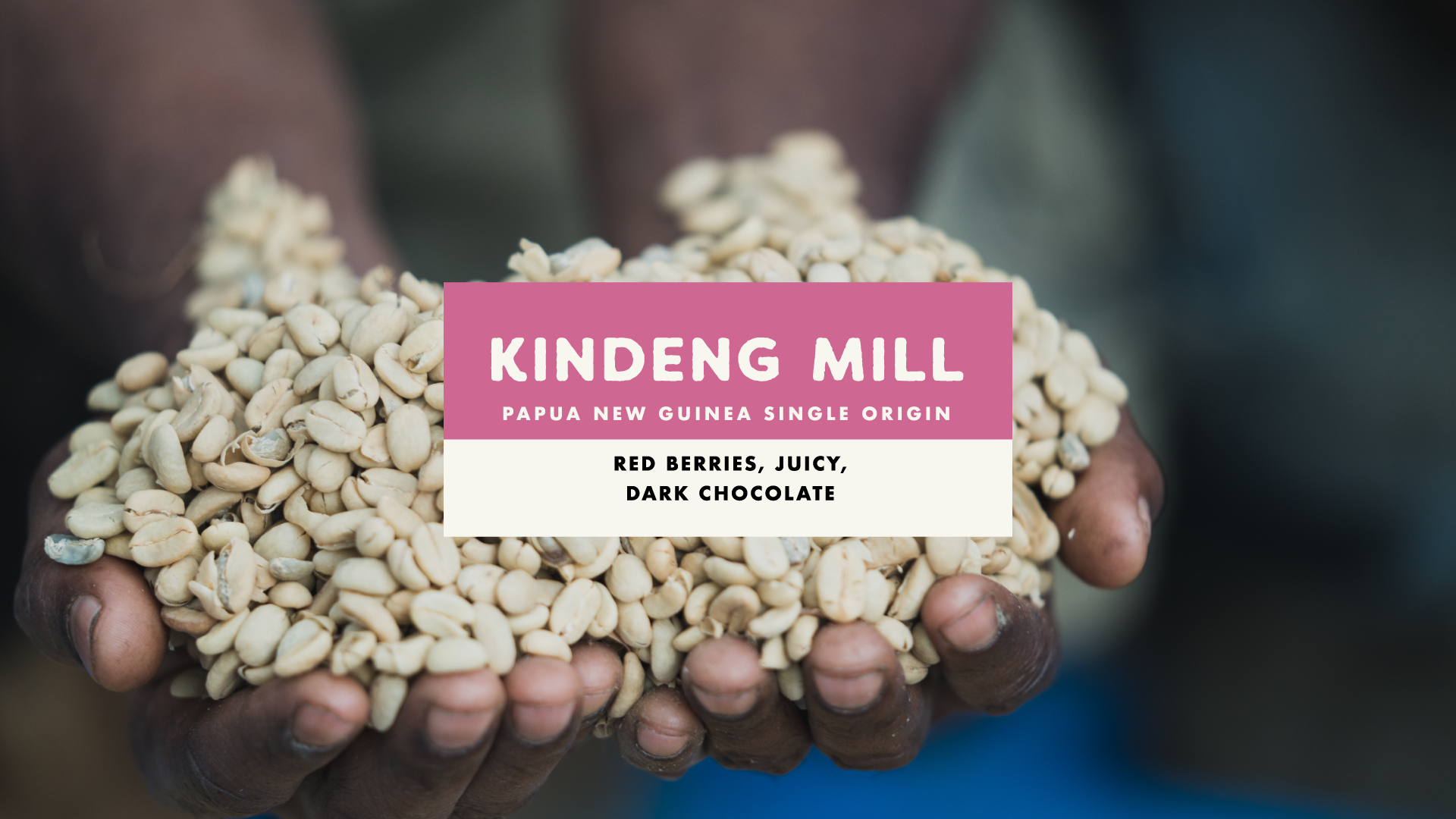
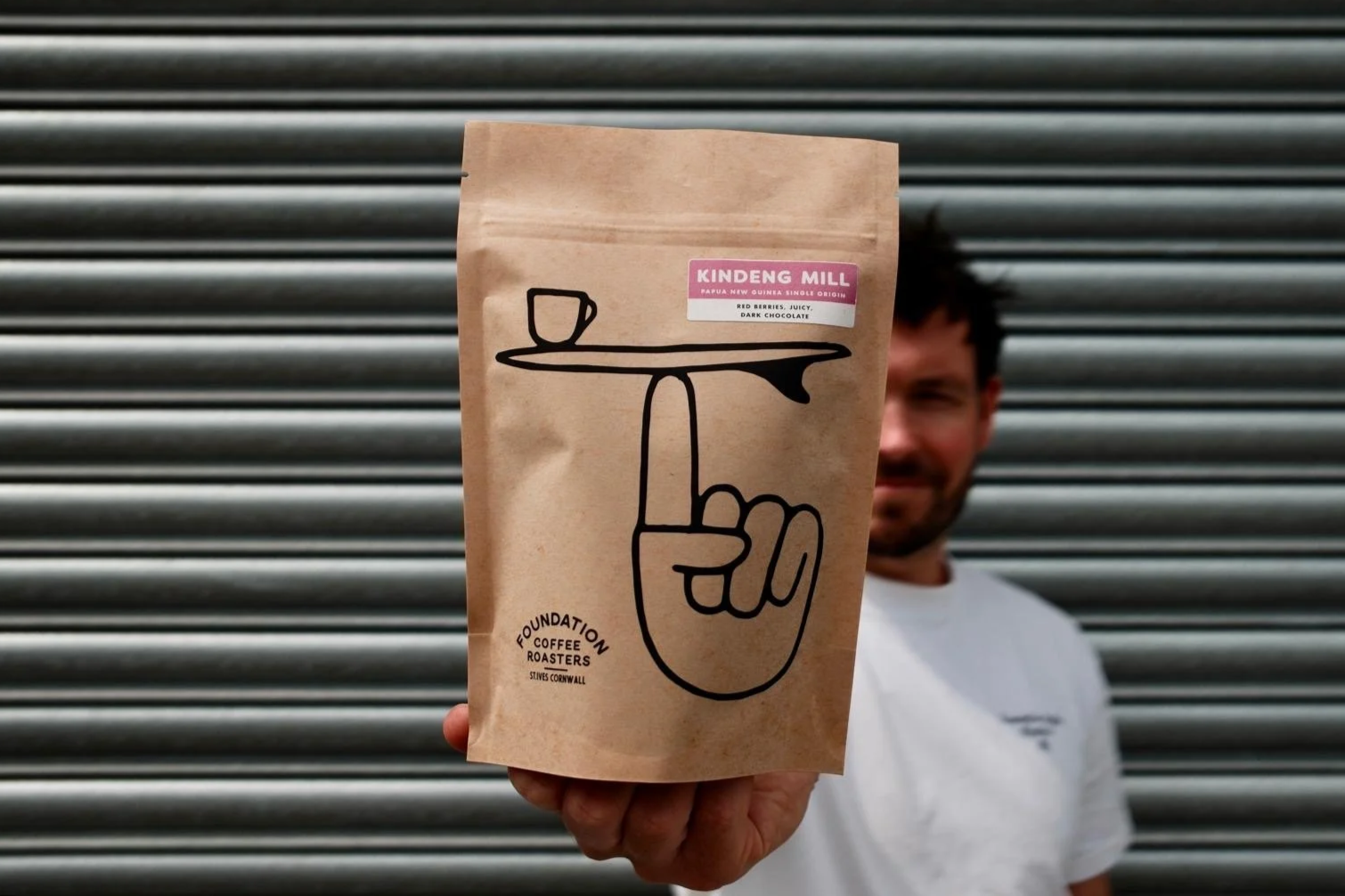
Happily celebrating the return of Kindeng Mill, a funkily unique natural Papua New Guinea.
It is very rare to see a natural coffee from the Western Highlands of Papua New Guinea. The area is classified as tropical rainforest with rainfall averaging 358 days per year. Natural coffees can take up to four times longer to dry than washed, making natural processing especially risky. Luckily for the producers, and us, that risk paid off in abundance.
Tasting notes: Dark chocolate with tons of dried cranberry, and a very subtle rose aroma. A boozy acidity and candy-like sweetness. Yum.
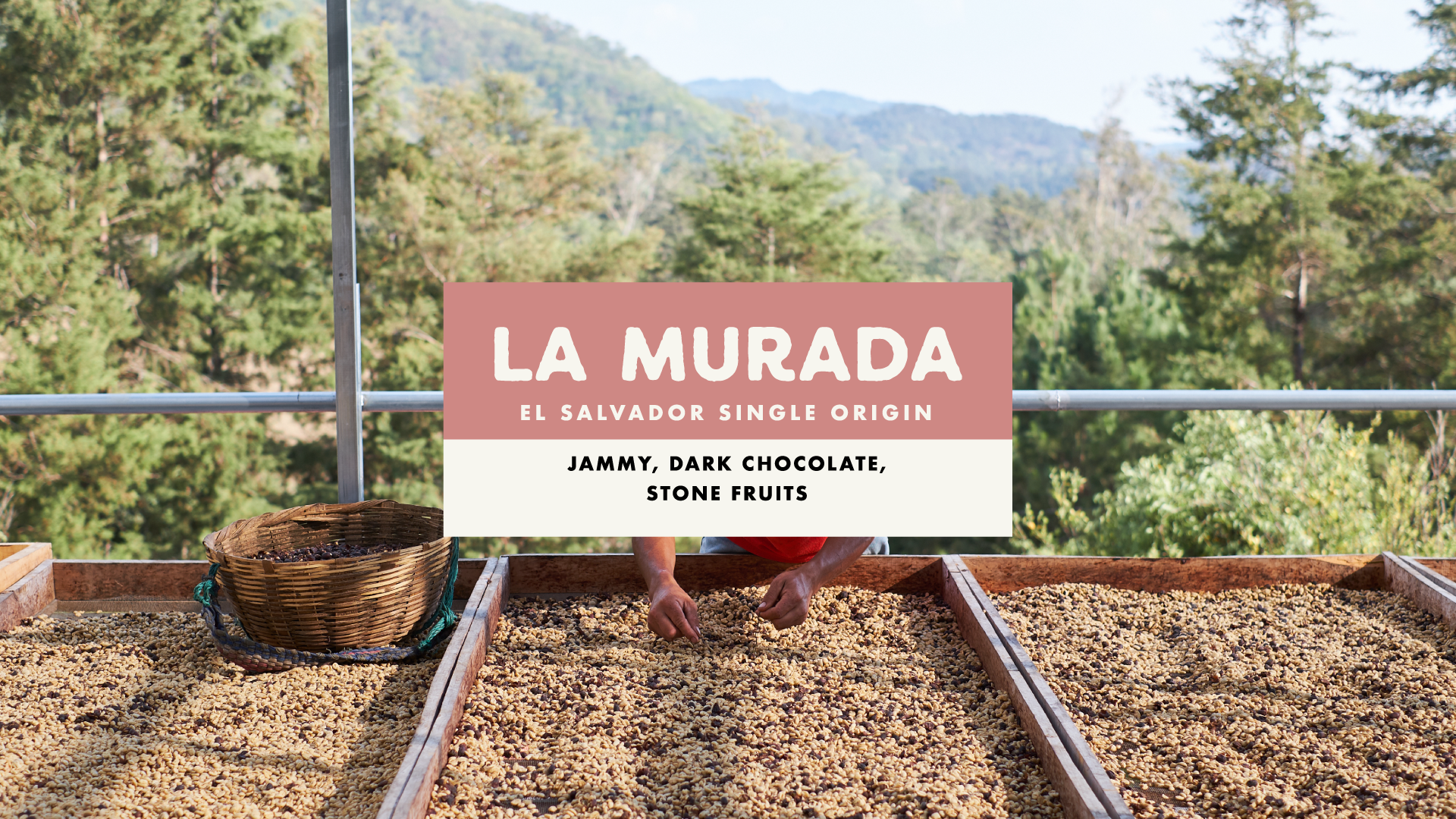
This coffee comes from the Kindeng Dry Mill in Wahgi Valley. The mill receives cherries from 1500 farmers in the area. The average farm size of producers in this area is about 1–2 hectares, and the soil is generally sandy loam and loamy clay. After cherries are received at the mill, they are processed accordingly and dried on raised beds and canvases. They are moved multiple times a day throughout the average 30-day drying process to ensure an even and uniform average moisture content across the lot. Once the coffee is adequately dried, it is placed into bags, stored in a cool and dry warehouse, hulled, milled, and prepped for export.
The Wahgi Valley is situated in the central highlands of Papua New Guinea. This valley is part of the larger Western Highlands Province and is characterized by its mountainous terrain, lush landscapes, and fertile soils. The Wahgi River flows through the valley, contributing to its agricultural richness. The region is known for its diverse traditional cultures and vibrant communities, with people engaged in agriculture as the primary livelihood, cultivating crops such as sweet potatoes, coffee, and vegetables.